Entry · Ref EUHUPGCR
Choosing Natural Diamond Jewelry: What to Look For
- Posted
- 2026-11-10
- Last amended
- 2026-11-10
- Account
- @mynaturaldiamondjewelrycentral
Understanding the Appeal of Natural Diamonds
Natural diamonds have held a place in fine jewelry for centuries. They form deep within the earth under intense heat and pressure, which gives each stone its own structure and character. When you shop for diamond pieces, the word "natural" often signals that the stone came from a mine rather than a laboratory. Many buyers value this origin story, even though lab-grown diamonds share the same chemical makeup. The choice between natural and lab-grown comes down to personal preference, budget, and what matters most to you in a piece of jewelry.
The market now offers both types of diamonds in a wide range of cuts, colors, clarities, and carat weights. The 4Cs remain the standard method for evaluating any diamond, whether natural or lab-grown. Cut determines how well the diamond reflects light, clarity looks at internal imperfections, color grades the absence of hue, and carat weight measures size. Understanding these four factors helps you compare stones and find one that fits your taste and your budget.
How Natural Diamonds Differ from Lab-Grown Diamonds
Lab-grown diamonds are created in a controlled environment using processes that replicate natural conditions. They are not simulants like cubic zirconia; they are real diamonds. The main difference lies in origin. Natural diamonds are mined from the earth, while lab-grown diamonds are produced in weeks rather than millions of years. This difference in origin affects pricing. Lab-grown diamonds typically cost less than natural diamonds of comparable quality. However, natural diamonds often hold their value differently over time, partly because of their rarity and the cost of extraction.
When you look at a finished piece, both types can look identical to the untrained eye. A trained gemologist can tell them apart using specialized equipment, but to a casual observer, the brilliance and fire appear the same. If owning a piece of earth's geological history matters to you, a natural diamond may be the right choice. If maximizing size or saving money is more important, a lab-grown diamond might be a better fit. There is no right or wrong answer, just what suits your priorities.
Key Factors When Choosing Natural Diamond Jewelry
When you shop for natural diamond jewelry, start with the 4Cs. Cut is often considered the most important factor because it directly affects how much sparkle the diamond produces. A well-cut diamond reflects light from facet to facet, creating brightness and fire. A poorly cut diamond can look dull even if it has high clarity and color grades. Look for cut grades of excellent or very good if you want maximum brilliance.
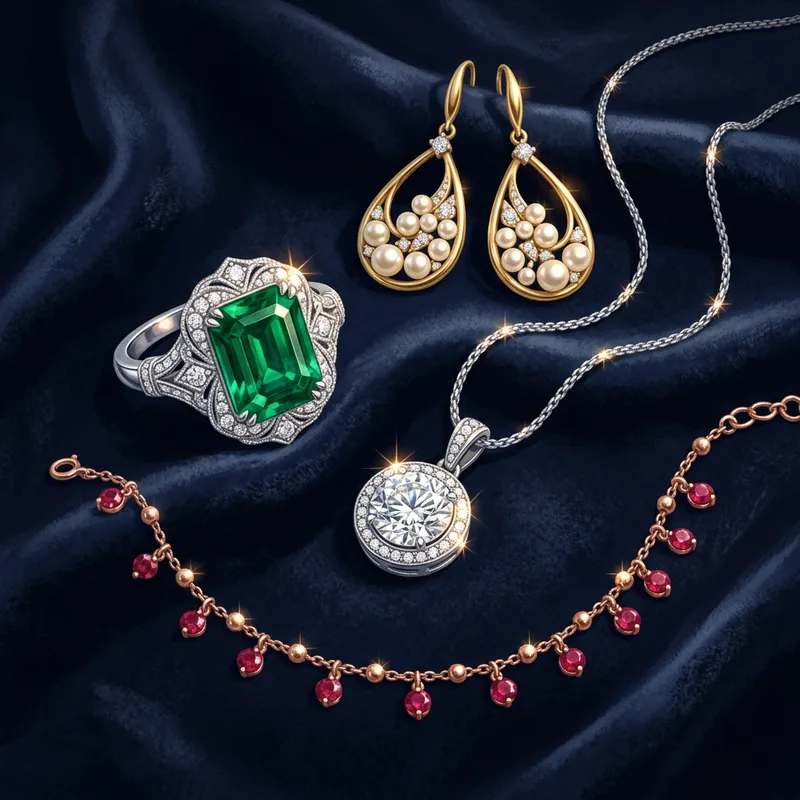
Clarity grades measure the presence of inclusions and blemishes. No natural diamond is perfectly flawless. Most inclusions are microscopic and do not affect the beauty of the stone. For natural diamond jewelry, a clarity grade of VS2 or SI1 is often a sweet spot: the diamond looks clean to the naked eye, but you are not paying a premium for a grade that only matters under magnification.
Color grades range from D (colorless) to Z (light yellow or brown). For natural diamonds, the most popular range is D through H. Stones in this range appear colorless to near-colorless in most settings. If you plan to set the diamond in yellow or rose gold, a slightly lower color grade like H or I can work well because the metal tone hides any faint warmth. In white metal settings, a higher color grade is usually preferred to keep the stone looking bright.
Carat weight is the most straightforward factor. Larger diamonds are rarer and therefore more valuable. However, two diamonds of the same carat weight can look different depending on how the cut distributes the weight. A well-cut diamond can appear larger than its actual carat weight, while a poorly cut diamond may look smaller. Do not fixate on carat weight alone; consider the whole picture.
Settings That Complement Natural Diamonds
The diamond setting is the metal framework that holds the stone in place. It affects both the look and the durability of the piece. A solitaire setting puts one diamond front and center, which works well for showing off a single high-quality stone. A halo setting surrounds the center diamond with smaller diamonds, which can make the center stone appear larger and add extra sparkle. A three-stone setting often represents the past, present, and future and can include side stones that contrast with the center diamond.
Prong settings are common because they let light enter the diamond from all sides. Bezel settings encircle the diamond with metal, which provides more protection but may reduce the amount of light that reaches the stone. Channel and pave settings use small diamonds set into the band, creating a continuous line of sparkle. Each setting style has its own trade-offs between security, brilliance, and upkeep. Think about your daily activities and how much wear the ring will see before choosing a setting.
Practical Tips for Shopping
When you are ready to buy, start by learning the 4Cs for the specific stone you are considering. Ask for a grading report from a reputable laboratory such as the Gemological Institute of America (GIA) or the International Gemological Institute (IGI). This report gives you an unbiased evaluation of the diamond's quality. Avoid stones without a grading report, especially for significant purchases.
Compare several diamonds within your budget. Two diamonds with the same 4Cs can look very different in person. Seeing them side by side helps you notice differences in brightness, clarity, and overall appeal. If you are shopping online, look for high-resolution videos and images that show the diamond from multiple angles. Many reputable sellers offer a return period, which gives you time to see the stone in natural light.
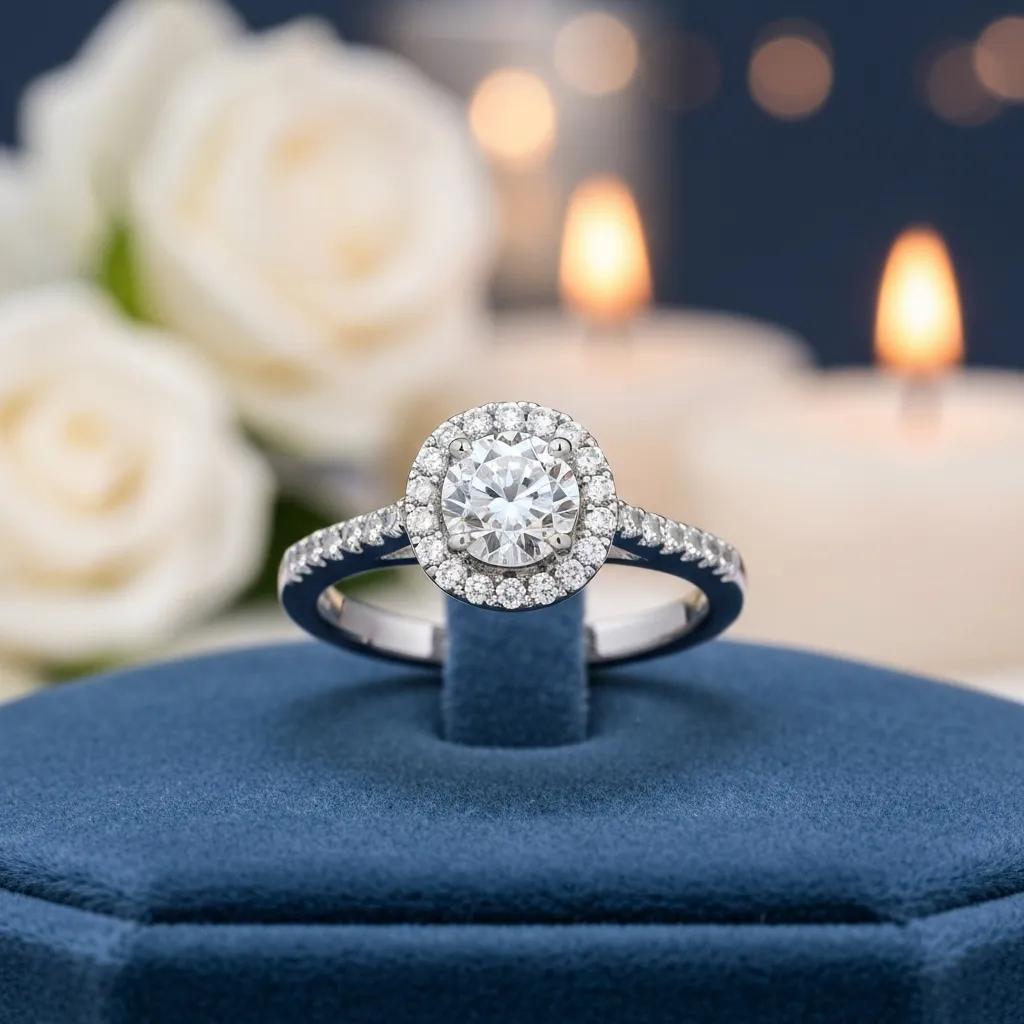
Think about the person who will wear the jewelry. A ring that will be worn every day needs a durable setting and a diamond that can handle daily wear. A pendant or earrings see less abuse, so you can prioritize appearance over toughness. Natural diamond jewelry is an investment in both emotion and money, so take your time.
Care and Maintenance
Natural diamonds are the hardest natural material, but they are not indestructible. A diamond can chip if struck at the right angle. The setting also needs regular inspection to make sure prongs are tight and the metal has not worn thin. Clean your diamond jewelry regularly with mild soap and warm water, using a soft brush to remove dirt from the back of the stone. Avoid harsh chemicals and ultrasonic cleaners unless you know the piece can handle them. Store each piece separately to prevent scratches from other jewelry.
Having your diamond jewelry inspected by a jeweler once a year helps catch small problems before they become big ones. A professional cleaning also restores the diamond's original brilliance. With proper care, natural diamond jewelry can last for generations and be passed down as a meaningful heirloom.